|
Motor Neurone Disease is a rare condition affecting the brain and nerves. It eventually leads to death, but some people live with it for many years. Symptoms of Motor Neurone Disease include muscle weakness, twitches, slurred speech and difficulty swallowing. MOTOR NEURONE DISEASE ASSOCIATION: Motor Neurone Disease Association are there to help everyone living with and affected by Motor Neurone Disease. Whether you want to speak to Motor Neurone Disease Association over the phone, connect with others affected by Motor Neurone Disease or find local support, Motor Neurone Disease Association can help in many ways. Motor Neurone Disease Association is a charity focused on improving access to care, research and campaigning for people affected by Motor Neurone Disease. PLEASE VISIT: MNDAssociation.org TELEPHONE: 01604250505 / 08088026262 EMAIL: [email protected] / [email protected] BRAIN RESEARCH UK: Brain Research UK are The United Kingdom's leading dedicated funder of Neurological Research. Brain Research UK fund the best science to achieve the greatest impact for people affected by Neurological Conditions, to help them live better, longer. Research has given Brain Research UK a greater understanding of Motor Neurone Disease. Brain Research UK's strategy aims to achieve a greater impact on those living with a Neurological Condition through research.
0 Comments
Diabetes is a chronic health condition that affects how the human body turns food and drink into energy. Most of the food and drink people consume is broken down into glucose then released into the bloodstream. When somebody's blood sugar goes up, it sends signals to the pancreas to release insulin. Insulin helps the blood sugar enter the body's cells to give someone energy. If somebody has diabetes, their body either doesn't create enough insulin or it can't use the insulin it makes as well as it should. When there isn’t enough insulin or cells stop responding to insulin, too much blood sugar stays in your bloodstream. Over time, that can cause serious health problems, such as heart disease, vision loss, and kidney disease. There isn’t a cure yet for diabetes, but losing weight, eating healthy food, and being active can really help. Taking medicine as needed, getting diabetes self-management education and support, and keeping health care appointments can also reduce the impact of diabetes on your life. DIABETES UK: Diabetes UK's vision is a world where diabetes can do no harm. Diabetes UK are leading the fight against the United Kingdom's biggest and growing health crisis. It is Diabetes UK's job to tackle the diabetes crisis. Diabetes UK are there to prevent Type 2 diabetes, campaign for and support everyone affected by diabetes, and fund research that will one day lead people to a cure. Diabetes UK's vision is to create a world where diabetes can do no harm. Find out how we plan to do it. DIABETES RESEARCH AND WELLNESS FOUNDATION: Diabetes Research and Wellness Foundation(DRWF) is a registered charity (No. 1070607) and company limited by guarantee (3496304) set up in 1998 to raise awareness of all types of diabetes and associated complications; provide information and support to promote good self-management and to enhance quality of life. Whilst funding vital diabetes research to establish the causes, prevention and treatment of type 1 and type 2 diabetes; develop improved management and treatment options; and ultimately find a cure, DRWF aim to ensure that people have access to the right information and support to develop a proactive self-care approach to successful self-management, to ensure that they are "staying well until a cure is found...". Please visit: DRWF.ORG.UK
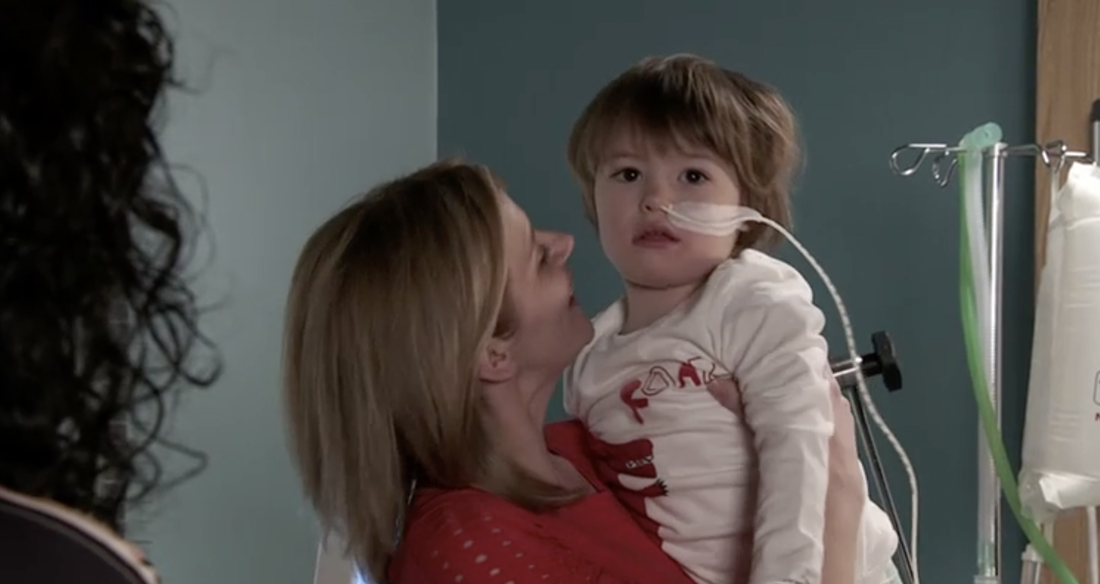
Phone: 023 92 637808 Mitochondrial Disease result from failures of the mitochondria, specialised compartments present in every cell of the body (except red blood cells). Mitochondria are responsible for creating more than 90% of the energy needed by the body to sustain life and support organ function. When they fail, less and less energy is generated within the cell. Cell injury and even cell death follow. If this process is repeated throughout the body, whole organ systems begin to fail. The parts of the body, such as the heart, brain, muscles and lungs, requiring the greatest amounts of energy are the most affected. Mitochondrial Disease is difficult to diagnose, because it affects each individual differently. Symptoms can include seizures, strokes, severe developmental delays, inability to walk, talk, see, and digest food combined with a host of other complications. If three or more organ systems are involved, mitochondrial disease should be suspected. Although Mitochondrial Disease primarily affects children, adult onset is becoming more common. Mitochondrial disease, or 'mito', is the term given to a group of medical disorders caused by mutations in mitochondria, the tiny organelles that are present in nearly every cell in our bodies and which generate about 90% of the energy we need to live. Cells cannot function properly without healthy mitochondria, so when they fail the consequences can be serious and wide-ranging. UNITED MITOCHONDRIAL DISEASE FOUNDATION: United Mitochondrial Disease Foundation supports newly diagnosed patients with critical information on treatment and care. United Mitochondrial Disease Foundation's vast online viewing library provides countless topics on living with mitochondrial disease. When a patient or family member calls or emails United Mitochondrial Disease Foundation, they try to answer questions quickly. If there is a question United Mitochondrial Disease Foundation are unable to answer, they will help you get the information you need. If your medical team needs information, United Mitochondrial Disease Foundation will point him or her to an expert in the mitochondrial medicine field for answers. And of course, United Mitochondrial Disease Foundation are there to listen in difficult times. United Mitochondrial Disease Foundation connects patients to each other. United Mitochondrial Disease Foundation Ambassadors across the nation provide patients and families with support in their region. THE LILY FOUNDATION: The Lily Foundation is the United Kingdom's leading Mitochondrial Disease charity. The Lily Foundation's mission is to improve the lives of people affected by Mitochondrial Diseases. The Lily Foundation are working towards a future where Mitochondrial Diseases can be effectively treated or cured. Mitochondrial Disease is a complex condition that affects people medically in a wide variety of ways. Every Mito family will have different needs and different - often very difficult - choices to make. The Lily Foundation respect every family's right to choose their own path in dealing with the disease and aim to support them where The Lily Foundation can. Sexting is sending, receiving, or forwarding sexually explicit messages, photographs, images, or video footage primarily between mobile phones, of oneself to others. Sexting may also include the use of a computer or any digital device. The term was first popularised early in the 21st century and is a portmanteau of sex and texting, where the latter is meant in the wide sense of sending a text possibly with images. In August 2012, the word sexting was listed for the first time in Merriam-Webster's Collegiate Dictionary. THINKUKNOW: THINKUKNOW is the educational programme from the National Crime Agency, a United Kingdom organisation which protects children both online and offline. It's THINKUKNOW and Click CEOP's job to protect young people from exploitation and abuse - both in the real world and online but they are not just police officers. In CEOP you will find people and partners from a whole range of organisations - including the NSPCC - all working together to help protect young people wherever they may be. PLEASE VISIT: THINKUKNOW.co.uk CHILDLINE: ChildLine are there to help anyone under the age of 19-years-old in the United Kingdom with any issue they’re going through. People who contact ChildLine can comfortably talk about anything. Whether it’s something big or small, ChildLine's trained counsellors are there to support anyone who needs assistance. ChildLine started in 1986 by Esther Rantzen. ChildLine help any young person in the United Kingdom. Calling ChildLine is free and doesn’t show up on an itemised phone bill. in 2006 ChildLine became part of the NSPCC group to help even more young people. PLEASE VISIT: ChildLine.org.uk
FREEPHONE: 0800 11 11 Postpartum Depression (PPD), also called Postnatal Depression, is a type of mood disorder associated with childbirth, which can affect both genders. Symptoms may include extreme sadness, low energy, anxiety, crying episodes, irritability, and changes in sleeping or eating patterns. Onset is typically between one week and one month following childbirth. PPD can also negatively affect the newborn child. Postnatal Depression is suffered by a mother following childbirth, typically arising from the combination of hormonal changes, psychological adjustment to motherhood, and fatigue. Postnatal Depression is a type of depression that many parents experience after having a baby. It's a common problem, affecting more than 1 in every 10 women within a year of giving birth. It can also affect fathers and partners. Many women feel a bit down, tearful or anxious in the first week after giving birth. This is often called the "baby blues" and is so common that it's considered normal. The "baby blues" do not last for more than 2 weeks after giving birth. If your symptoms last longer or start later, you could have Postnatal Depression. Postnatal Depression can start any time in the first year after giving birth. Many women do not realise they have Postnatal Depression, because it can develop gradually. PANDAS FOUNDATION UK: PANDAS Foundation are there to help support and advise any parent and their networks who need support with perinatal mental illness. PANDAS Foundation are also here to inform and guide family members, carers, friends and employers as to how they can support someone who is suffering. PANDAS Foundation provide help to improve the lives of people affected by Pre (Ante) & Postnatal illnesses, for those living with Antenatal Depression, Postnatal Depression, OCD, Anxiety, Psychosis, their families and carers. SUPPORT IN MIND SCOTLAND: Support In Mind Scotland's aim is to improve the quality of life for anyone whose mental health problems or mental illness has a serious impact on their life and on the lives of others, including family members, friends and supporters. Support In Mind Scotland believe that every individual has the right to be valued, and to share in the opportunities, enjoyment, challenges, responsibilities and choices of everyday life. That those who experience mental illness, and mental health problems, their families and carers and friends, are entitled to quality support in the community or in hospital, or in their own homes as they choose. That those who need care and support should be enabled to play an active role in the decisions that impact on them. That people affected by serious illnesses, like psychosis, have a specialised knowledge and expertise, which will be reflected in all that we do. Support In Mind Scotland improve quality of life by working with people to have more opportunities. Build confidence and social skills. Be more connected to their families and communities. Have more stable lifestyles by providing help with practical issues. Be more physically well – exercise, diet, healthy eating. Support In Mind Scotland assist people who are hard to reach and engage. People with serious mental illness including schizophrenia. People subject to compulsory treatment and compulsory measures – those who come through criminal justice who are not well. People who have chaotic lifestyles due to historic factors, poverty and lifestyle choices. MIND: MIND provide advice and support to empower anyone experiencing a mental health problem only in England and Wales. MIND campaign to improve services, raise awareness and promote understanding. MINDs support over 513,000 people across England and Wales. Their services include supported housing, crisis helplines, drop-in centres, employment and training schemes, counselling and befriending. Because of MIND, millions more people have access to advice and support thanks to their information and services nationally and locally, in England and Wales. They are actively building on change, but are aware that there is much more to do. MIND is a charity and they rely on donations. They are very grateful to everyone who supports them financially. That’s why they are committed to being open about how they are funded and managed. Over more than 60 years MIND has worked to improve the lives of all people with experience of mental health problems. Through public campaigns, government lobbying and more than 1,000 services our local MINDs have delivered in communities across England and Wales, they have touched millions of lives. Their policy work influences government so that people with mental health problems can get the support they need and the respect they deserve. Measles is a highly contagious infectious disease caused by the measles virus. Symptoms usually develop 10–12 days after exposure to an infected person and last 7–10 days. Initial symptoms typically include fever, often greater than 40°C, cough, runny nose, and inflamed eyes. Small white spots known as Koplik's spots may form inside the mouth two or three days after the start of symptoms. A red, flat rash which usually starts on the face and then spreads to the rest of the body typically begins three to five days after the start of symptoms. Common complications include diarrhea (in approximately 8% of cases), middle ear infection (7%), and pneumonia (6%). These occur in part due to measles-induced immunosuppression. Less commonly seizures, blindness, or inflammation of the brain may occur. It can lead to pregnancy loss, too. Anyone can get measles if they have not been vaccinated or have not had it before, although it's most common in young children. KIDS HEALTH: KidsHealth is run by Nemours. Nemours is a nonprofit children's health system. Neil Izenberg, MD, a physician at Nemours, founded KidsHealth in 1995. KidsHealth's goal is to help parents, kids, and teens take charge of their health. Nemours provide aim to give families the tools and confidence to make the best health choices. PLEASE VISIT: KidsHealth.org MÉDECINS SANS FRONTIÉRES UK (MSF UK): Médecins Sans Frontières UK's medical teams act fast to save people’s lives in conflict zones, natural disasters and epidemics. Médecins Sans Frontières UK go where they are needed most. Founded to save lives and speak out, Médecins Sans Frontières UK have helped tens of millions of people since 1971. The 13 founders have grown to over 36,000 staff on the frontline of emergency medical aid. Médecins Sans Frontières UK was awarded the Nobel Peace Prize in 1999. The judges chose MSF "in recognition of the organisation’s pioneering humanitarian work on several continents” and to honour MSF's medical staff, who have worked in more than 80 countries and treated tens of millions of people. PLEASE VISIT: MSF.ORG.UK
Miscarriage - also known as spontaneous abortion and pregnancy loss - is the natural death of an embryo or fetus before it is able to survive independently. Some use the cutoff of 20 weeks of gestation, after which fetal death is known as a stillbirth. The most common symptom of a miscarriage is vaginal bleeding with or without pain. Sadness, anxiety and guilt may occur afterwards. Tissue and clot-like material may leave the uterus and pass through and out of the vagina. When a woman keeps having miscarriages, infertility is present. SIMBA CHARITY: SIMBA Charity's groups open to anyone who has gone through the death of a baby at any stage of pregnancy or close to the time of birth. SIMBA Charity's groups are all within central locations and accessible by all and open to other family members and friends. The first SIMBA support group started in May 2011 after a request from a bereaved parent who felt there was need for a group in the area where she lived, a place where she could talk to other parents who had gone through similar. SIMBA responded to her and others needs and set up their first group not long after. MISCARRIAGE ASSOCIATION: The Miscarriage Association are there to provide support and information to anyone affected by miscarriage, ectopic pregnancy or molar pregnancy. The Miscarriage Association have a Great Britain-wide network of support volunteers, who have been through the experience of pregnancy loss themselves and can offer real understanding and a listening ear. PLEASE VISIT: MiscarriageAssociation.org.uk HELPLINE: 01924 200799 EMAIL: INFO@MiscarriageAssociation.org.uk Child molestation, is a form of child abuse in which an older adolescent uses a child for sexual stimulation. Forms of child sexual abuse include engaging in sexual activities with a child (whether by asking or pressuring, or by other means), indecent exposure, child grooming, child sexual exploitation or using a child to produce child pornography. MALE SURVIVOR PARTNERSHIP: The Male Survivors Partnership began as an idea in 2012 when a handful of professionals working in survivor based organisations began talking about working together for the good of male survivors. In 2013, following the announcement of a fund that prevented organisations working specifically with males from applying, those very same professionals came together with others to lobby the government to recognise the needs of boys and men as victims/survivors of sexual offences. MOSAC: Mosac was formed when four mothers whose children were abused came together and drew strength from each other’s shared experience and realised the need for a similar service for others. All non-abusing parents, carers and families have the right to receive comprehensive support to live with the consequences of sexual abuse and to aid recovery. Mosac aim to provide a unique and specialist service, offering practical and emotional support to non-abusing parents, carers and families. Mosac enable these families to achieve and sustain an improved quality of life by rebuilding confidence, alleviating isolation, promoting inclusion and empowering them with the skills to safeguard themselves and their children. Mosac break the silence surrounding child sexual abuse by raising awareness through training and consultancy. VICTIM SUPPORT: Victim Support Scotland, or simply VSS, supports and campaigns on behalf of victims and witnesses of crime in Scotland. Victim Support Scotland are proud to serve victims and witnesses in the north of Britain by campaigning for their rights and helping to improve their experiences of the criminal justice system. Their aim is to supporting, both, the victims and witnesses of any form of crime. Victim Support Scotland provides support and information services to victims and witnesses of crime north of the border. Victim Support Scotland support 200,000 people affected by crime each year. This support is provided by staff and volunteers in national and local offices and court-based services across Scotland. Victim Support Scotland are an independent charity and not part of the Police Scotland or Scottish Courts. All conversations with victims and witnesses are confidential and are not shared with people outside of Victim Support Scotland. The service, provided by Victim Support Scotland, is completely free. Victim Support Scotland's daily contact with victims and witnesses of crime gives the charity a unique insight into the issues that they face. VSS campaign to ensure that the criminal justice system in Scotland takes full account of the needs of victims and witnesses of crime. Victim Support, or simply VS, are an independent charity dedicated to supporting victims of crime and traumatic incidents in Scotland, England and Wales. Their purpose is to provide specialist help to support people to cope and recover to the point where they feel they are back on track with their lives. In 2018, Victim Support were in contact with over 1,035,032 victims of crime within that calendar year offering information, advice and support. 704,219 people visited VictimSupport.org.uk and their dedicated local teams provided specialist emotional and practical support to 133,965 victims. Victim Support are independent of the government, the police, local authorities and criminal justice system, but work closely with them and others to achieve their vision - a world where victims and witnesses are given the support they need and the respect they deserve. Victim Support works with victims of crime and VS put them at the heart of their organisation and the way they run their services. Victim Support's work, their support and their voice is informed and shaped by them. As an organisation, victims are their only focus, and over the years they have developed unrivalled expertise in their needs, aspirations and their journey through the criminal justice system. Victim Support are a national organisation but we are deeply rooted in the local communities in which they work. They are local. They are national. They are independent. As a national charity, Victim Support have a clear purpose and vision with strong values. The Victim Support charity was set up over 40 years ago. SCOTLAND:
PLEASE VISIT: VictimSupportSCO.org.uk FREEPHONE: 0800 16 01 985 INFOLINE: 0345 603 9213 ENGLAND / WALES: PLEASE VISIT: VictimSupport.org.uk FREEPHONE: 08 08 16 89 111 INFOLINE: 08 08 16 89 293 Coercive Control is an act or a pattern of acts of assault, threats, humiliation and intimidation or other abuse that is used to harm, punish, or frighten their victim. It is a form of Domestic Abuse. WOMEN'S AID: Women's Aid are a grassroots federation working together to provide life-saving services and build a future where domestic violence is not tolerated. As a federation of over 180 organisations. Women's Aid provide just under 300 local life-saving services to women and children across the country. Women's Aid provides expert training, qualifications and consultancy to a range of agencies across Britain. This includes professionals working with survivors or those commissioning domestic abuse services. Women's Aid award a National Quality Mark for services which meet our quality standards. Women's Aid campaigns achieve change in policy, practice and awareness, encouraging healthy relationship and helping to build a future where domestic abuse is no longer tolerated. PLEASE VISIT: WomensAid.org.uk FREEPHONE: 0808 2000 247 Further information: NationalDomesticViolenceHelpline.org.uk IRISS: Iriss are a charitable company that promotes positive outcomes for the people who use Scotland's social services. Iriss promote positive outcomes for the people who use Scotland's social services, by enhancing the capacity and capability of the social services workforce, to access and make use of knowledge and research for service improvement. Iriss provide a high quality service and are continually improving social services sector renowned for its effective use of knowledge and research-based innovation. PLEASE VISIT: Iriss.org.uk EMAIL: [email protected] TELEPHONE: 0141 559 50 59 This is for support pages in Great Britain. Someone who develops psychosis will have their own unique set of symptoms and experiences, according to their particular circumstances. In general, four main symptoms are associated with a psychotic episode: hallucinations / delusions / confused and disturbed thoughts / lack of insight and self-awareness. SUPPORT IN MIND SCOTLAND (SIMS): Support In Mind Scotland's aim is to improve the quality of life for anyone whose mental health problems or mental illness has a serious impact on their life and on the lives of others, including family members, friends and supporters. Support In Mind Scotland believe that every individual has the right to be valued, and to share in the opportunities, enjoyment, challenges, responsibilities and choices of everyday life. That those who experience mental illness, and mental health problems, their families and carers and friends, are entitled to quality support in the community or in hospital, or in their own homes as they choose. That those who need care and support should be enabled to play an active role in the decisions that impact on them. That people affected by serious illnesses, like psychosis, have a specialised knowledge and expertise, which will be reflected in all that we do. Support In Mind Scotland improve quality of life by working with people to have more opportunities. Build confidence and social skills. Be more connected to their families and communities. Have more stable lifestyles by providing help with practical issues. Be more physically well – exercise, diet, healthy eating. Support In Mind Scotland assist people who are hard to reach and engage. People with serious mental illness including schizophrenia. People subject to compulsory treatment and compulsory measures – those who come through criminal justice who are not well. People who have chaotic lifestyles due to historic factors, poverty and lifestyle choices. PLEASE VISIT: SupportInMindScotland.org.uk INFOLINE: 0131 662 4359 EMAIL: [email protected] MIND: MIND provide advice and support to empower anyone experiencing a mental health problem only in England and Wales. MIND campaign to improve services, raise awareness and promote understanding. Their local MINDs support over 513,000 people across England and Wales. Their services include supported housing, crisis helplines, drop-in centres, employment and training schemes, counselling and befriending. Because of MIND, millions more people have access to advice and support thanks to their information and services nationally and locally, in England and Wales. They are actively building on change, but are aware that there is much more to do. MIND is a charity and they rely on donations. They are very grateful to everyone who supports them financially. That’s why they are committed to being open about how they are funded and managed. Over more than 60 years MIND has worked to improve the lives of all people with experience of mental health problems. Through public campaigns, government lobbying and more than 1,000 services our local MINDs have delivered in communities across England and Wales, they have touched millions of lives. Their policy work influences government so that people with mental health problems can get the support they need and the respect they deserve. PLEASE VISIT: MIND.org.uk HELPLINE: 0300 123 3393 EMAIL: [email protected] TEXT: 86463 |
Categories
All
Archives
September 2024
|


RSS Feed